

Plug-in Solar Technology Gains Regulatory Traction in the UK and US
New regulatory frameworks in the UK and the United States are paving the way for the adoption of plug-in solar technology, making renewable energy more accessible to renters and apartment dwellers. These developments focus on standardized safety protocols to integrate small-scale solar systems directly into household power grids.
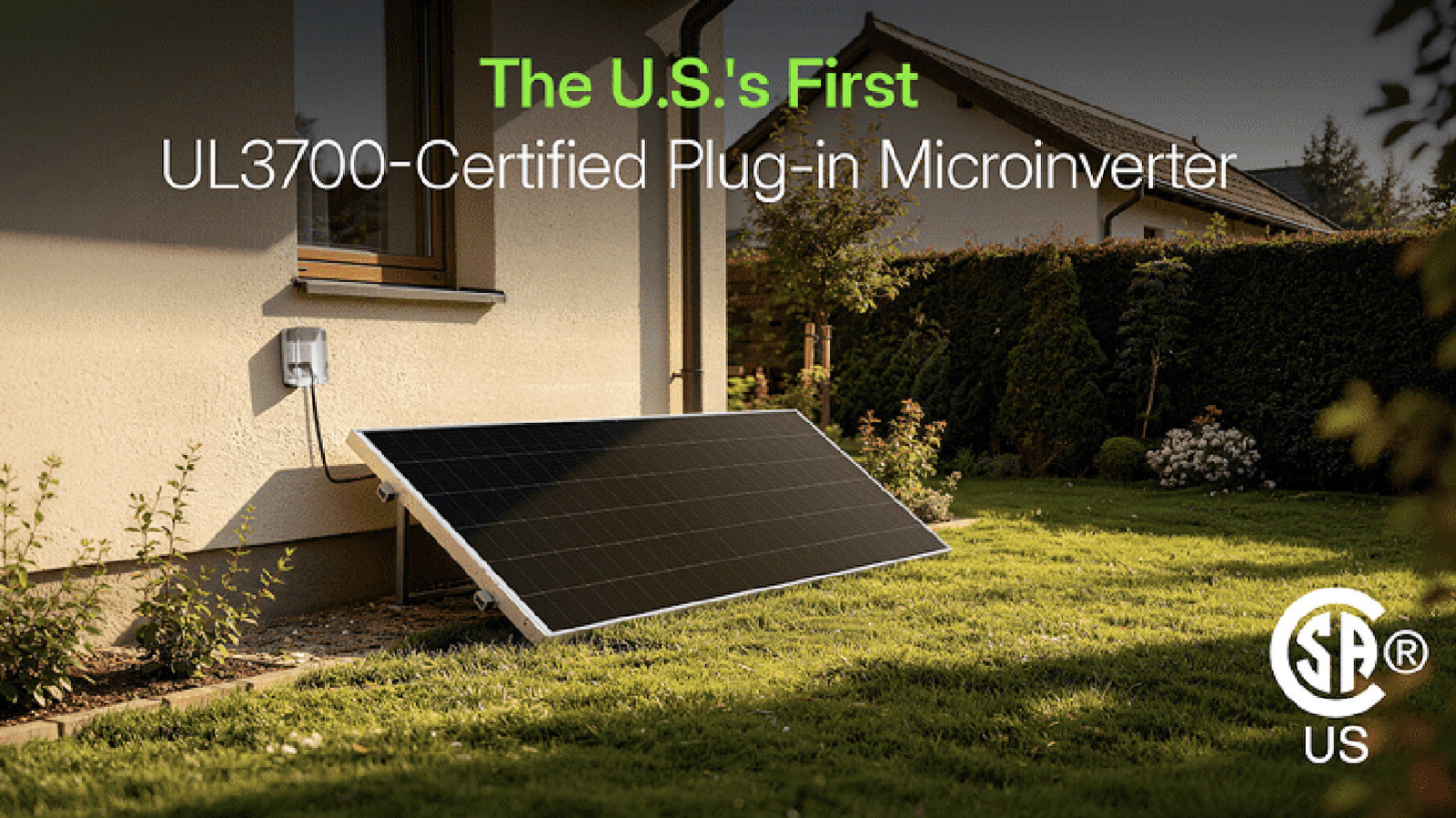
The landscape for residential renewable energy is shifting as both the United Kingdom and the United States move to formalize the use of plug-in solar technology. On August 27, the UK will officially legalize the use of plug-in solar kits, fulfilling a government pledge to help households reduce energy costs through simplified installation processes According to Engadget. Simultaneously, the US market has seen the introduction of the first UL 3700-compliant microinverter from Hoymiles, marking a significant milestone in North American safety standards for small-scale photovoltaic systems According to Engadget.
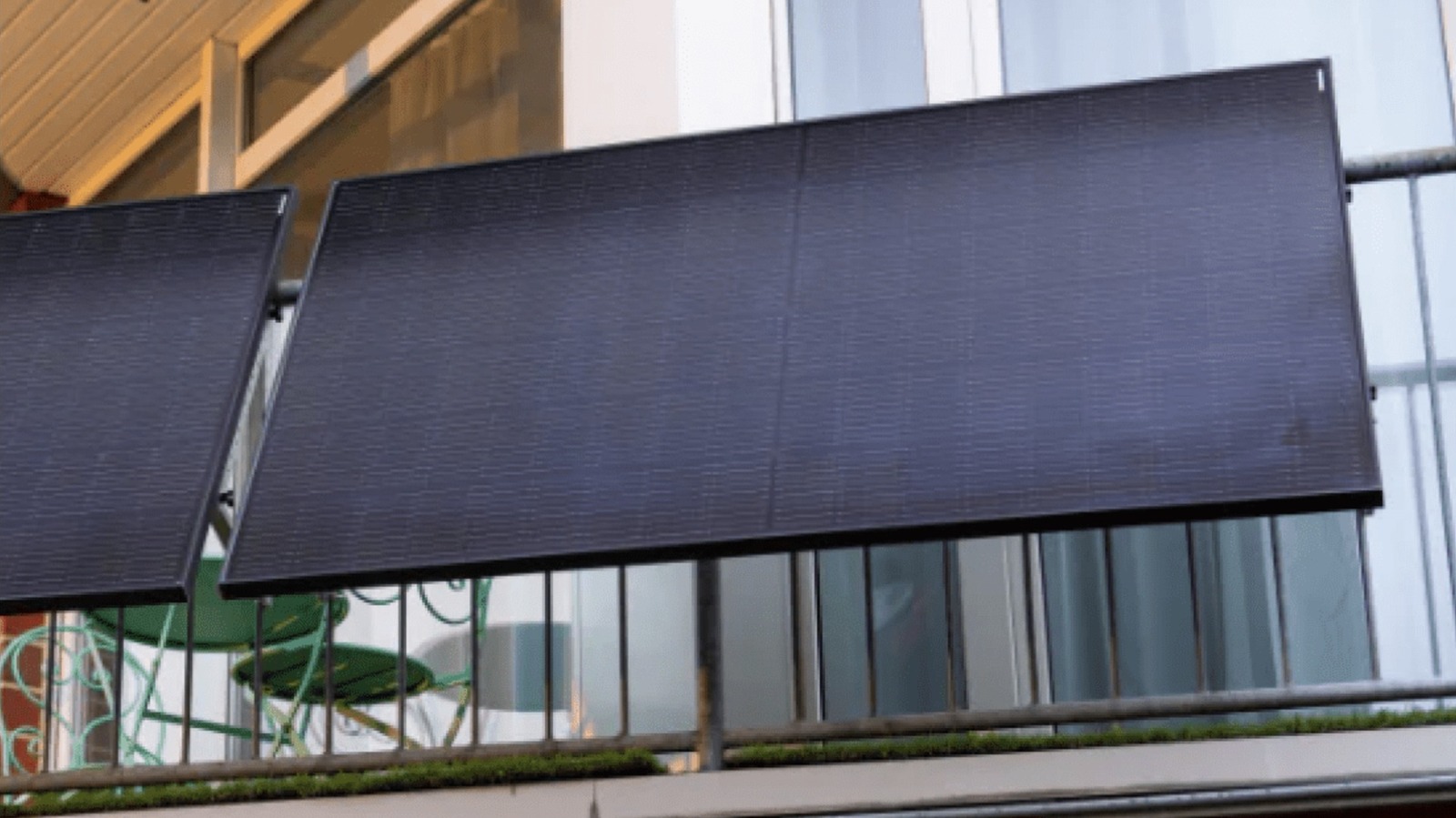
These systems function by connecting solar panels to a microinverter, which then plugs directly into a standard household wall socket. In the UK, the government has established an interim specification that caps the maximum DC output at 2000W, though practical usage is expected to hover around 960W with microinverters limited to 800 volt amps. This approach mirrors existing frameworks in Germany, aiming to provide a manageable entry point for consumers who lack the space or ownership status required for traditional rooftop solar arrays.
In the United States, the adoption of the UL 3700 standard in December 2025 serves as the primary mechanism for ensuring safety. A critical technical challenge for these systems is preventing power from back-feeding into the grid during outages, which could pose a danger to utility workers. The UL 3700 standard mandates specific features to mitigate this risk, ensuring that the microinverters safely manage the flow of electricity between the solar panels and the home's internal wiring.
While these plug-in systems are not designed to power an entire residence, they represent a shift toward democratizing renewable energy access. By removing the need for complex, permanent rooftop installations, this technology opens the market to renters and apartment dwellers who were previously excluded from solar adoption. As more states in the US propose legislation to permit these devices and the UK begins its rollout, the industry is poised to see whether consumer demand will match the new regulatory accessibility. The long-term impact remains dependent on the availability of compliant hardware and the continued refinement of safety standards to ensure seamless grid integration.