

Russia Adjusts Timeline for Amur-LNG Reusable Rocket Development
Roscosmos has shifted the development timeline for its Amur-LNG rocket, now targeting 2028 for initial hopper vehicle flight tests. This project aims to modernize Russia's launch capabilities by introducing a reusable first stage similar to current industry standards.
The global aerospace sector is currently witnessing a rapid shift toward reusable launch vehicle technology, a trend underscored by recent successes in the United States, China, and Japan. While companies like SpaceX continue to normalize frequent rocket landings, and new entrants like Stoke Space and Rocket Lab make steady progress, Russia’s state-backed space corporation, Roscosmos, is recalibrating its own efforts to remain competitive. The centerpiece of this effort is the Amur-LNG rocket, a project first unveiled six years ago as a direct response to the operational success of the Falcon 9.
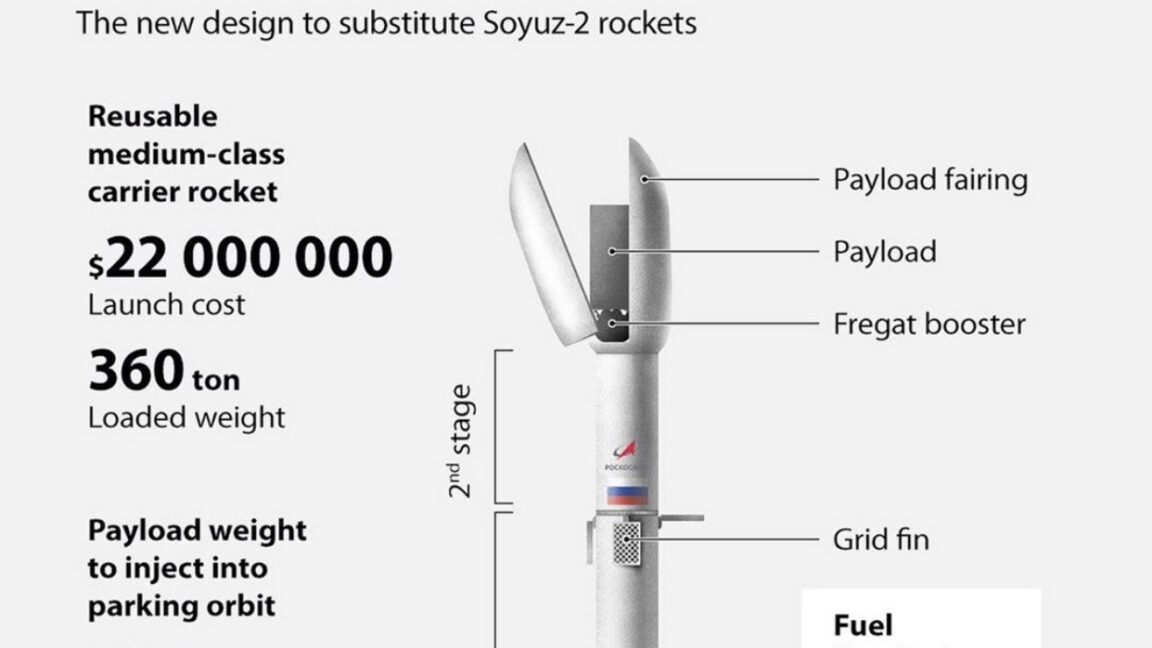
Originally intended to debut in 2026, the Amur-LNG program is now focused on the development of a demonstrator vehicle. According to an interview with RBC, Dmitry Baranov, Deputy Director General for Rocket Programs at Roscosmos, confirmed that the agency is prioritizing a hopper vehicle to test vertical takeoff and landing capabilities. This approach mirrors early development phases seen in other reusable rocket programs, such as the Grasshopper test bed used by SpaceX.
Technical plans for the demonstrator involve two distinct flight tests scheduled to begin in 2028. The first test aims for a low-altitude flight of less than one kilometer, while the second is designed to reach an altitude of 10 kilometers, incorporating engine restarts and landing maneuvers using deployable legs. These tests are intended to validate the performance of the RD-0169A methane-powered engine, which is currently in the preliminary stages of ground-based test firings.
The strategic objective for the Amur-LNG is to eventually replace the Soyuz 2, which has long served as the primary workhorse for the Russian space program. By transitioning to a reusable architecture capable of delivering 10.5 metric tons to low-Earth orbit, Roscosmos intends to modernize its launch infrastructure. However, the delay from the original 2026 target highlights the significant engineering challenges inherent in developing reusable orbital-class boosters. As the international landscape for spaceflight continues to evolve, the success of these upcoming hopper tests will be a critical indicator of Russia's ability to maintain its historical standing in the global launch market.