

The Pentagon Reorganizes Space Development Agency Amid Shift in Satellite Strategy
The Space Development Agency is being integrated into the broader Space Force procurement pipeline following years of delays in its satellite constellation deployment. This transition marks a strategic pivot as the military works to modernize its missile warning capabilities through the Proliferated Warfighter Space Architecture.
The Space Development Agency (SDA), established in 2019 to bypass traditional Pentagon bureaucracy and accelerate the deployment of military space systems, is set to be folded back into the U.S. Space Force’s procurement pipeline. This organizational shift, which has received support from lawmakers in both houses of Congress through the National Defense Authorization Act, arrives as the agency works to finalize its Proliferated Warfighter Space Architecture (PWSA).
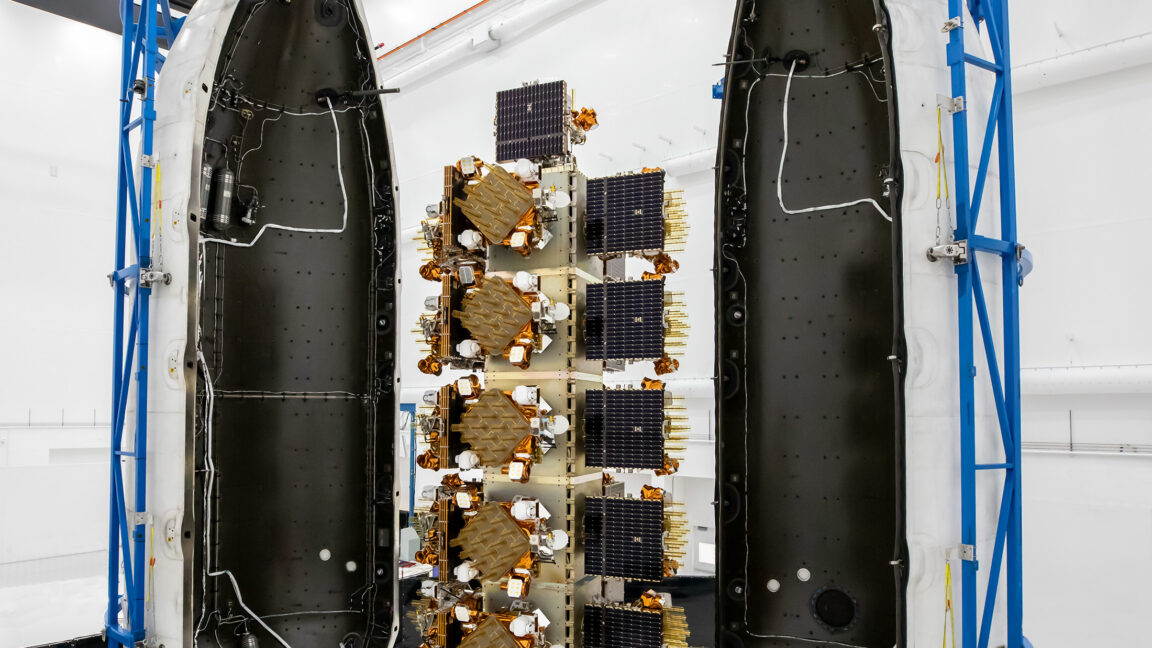
The primary objective of the SDA has been to replace legacy missile warning satellites—which operate in high geosynchronous orbits and are considered vulnerable to attack—with a constellation of hundreds of satellites in low-Earth orbit. According to Ars Technica, these new systems are designed to be more sensitive to smaller, dimmer threats, including ballistic and hypersonic missiles. The agency’s strategy relied on a rapid, two-year cadence for fielding new generations, or tranches, of tracking and data transport satellites, intended to be launched at a rate of approximately once per month.
Despite these goals, the agency has faced significant operational hurdles. The program has been marked by production bottlenecks, supply chain constraints, and technical difficulties regarding inter-satellite laser communication links, which are essential for relaying tracking data to ground stations. While the SDA began launching prototype satellites in 2023, the transition into the Space Force’s acquisition structure is intended to streamline these processes under a unified command.
Moving forward, the mission will be absorbed into the Pentagon’s broader Golden Dome missile shield initiative. While the PWSA capabilities were developed independently of the current administration’s push for space-based weapons, they will now serve as a foundational component of this larger defense architecture. As the military continues to face daily missile threats, the success of this transition will depend on whether the Space Force can overcome the persistent schedule delays that hindered the SDA’s initial efforts to populate low-Earth orbit with a resilient, proliferated network.