

New Aerial Technologies Target Early Wildfire Suppression
Advancements in autonomous drone swarms and specialized satellite constellations are providing fire agencies with new tools to detect and suppress wildfires before they escalate. These technologies aim to bridge the gap between initial ignition and large-scale emergency response.
As wildfire seasons across North America and beyond become increasingly prolonged, fire management agencies are integrating new aerial technologies designed to detect and suppress blazes in their infancy. Recent developments in both satellite monitoring and autonomous drone deployment represent a shift toward rapid, data-driven intervention in fire-prone regions.
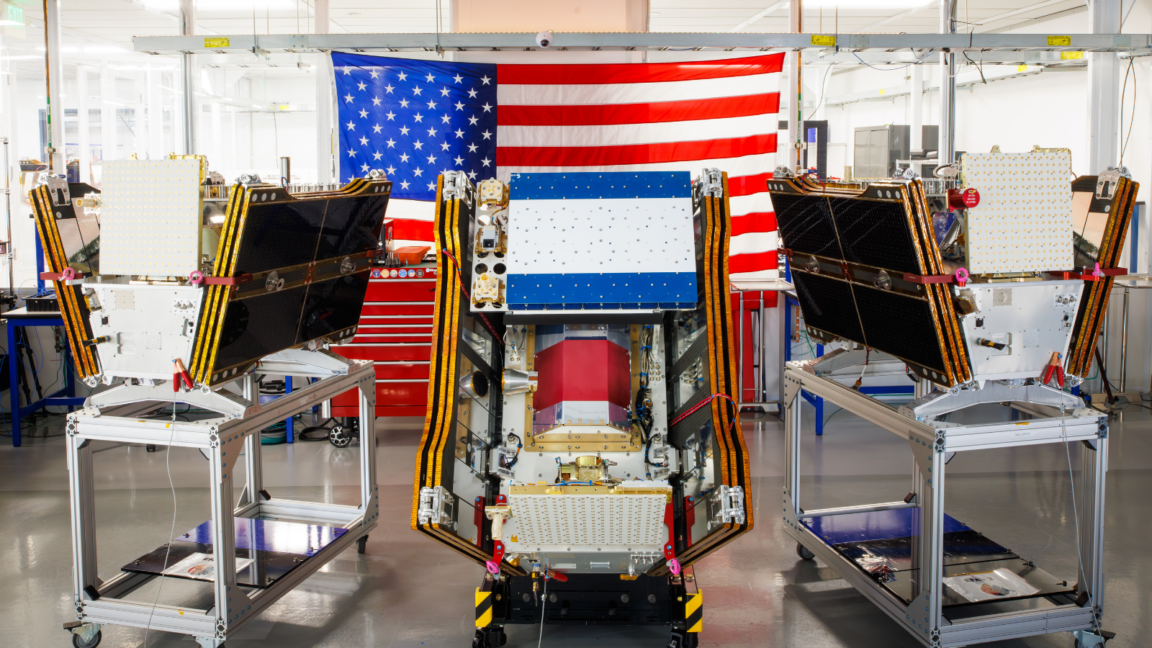
On the orbital front, the FireSat program recently achieved initial operational capability with the launch of three microsatellites via a SpaceX Falcon 9 rocket according to Ars Technica. Managed by the nonprofit Earth Fire Alliance and supported by over $15 million in funding from Google and $26 million from the Bezos Earth Fund, the constellation is purpose-built to identify fires as small as five by five meters. Unlike existing satellite systems, these units utilize multispectral imaging to peer through smoke and cloud cover. Google Research intends to leverage AI models to analyze this data against historical imagery, potentially allowing for more accurate predictive modeling of fire behavior.
While satellites provide the detection layer, autonomous drones are being tested as a tactical response tool. In California, the Department of Forestry and Fire Protection (CAL FIRE) recently conducted field tests involving swarms of autonomous drones capable of deploying fire-suppressing foam as reported by Ars Technica. These systems, such as the Argo-1 drones developed by Seneca, are designed to operate in groups of four to six, carrying approximately 100 pounds of payload each.
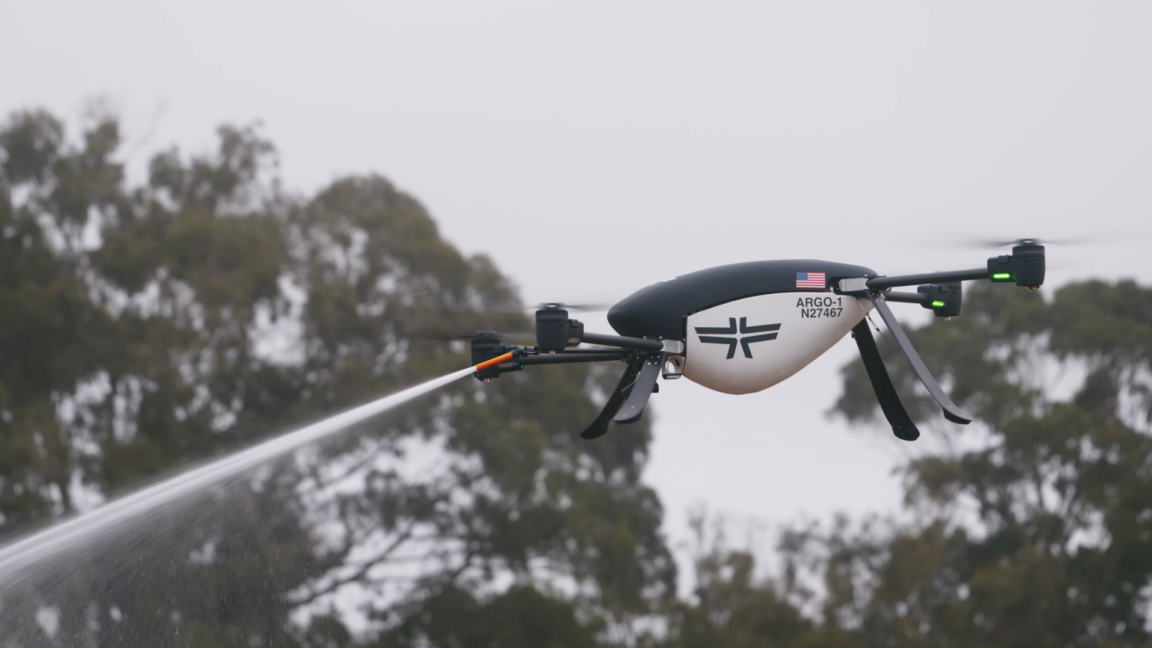
These drones are not intended to replace heavy-lift crewed aircraft, which remain necessary for large-scale fire suppression. Instead, the strategy focuses on mobility and speed. Because the drones are compact enough to be transported by pickup truck, they can be prepositioned in high-risk areas to address small fires before they grow into uncontrollable events. The operational goal is to maintain a rapid turnaround, with companies aiming for two-minute intervals to swap batteries and refill payloads.
Industry experts note that the effectiveness of these technologies depends on their integration into existing emergency response workflows. The Earth Fire Alliance projects that an hourly revisit rate from the full FireSat constellation could eventually prevent significant property damage and carbon emissions. However, the logistical challenge remains in scaling these systems to cover vast, remote landscapes. As these tools move from experimental trials to operational status, their success will likely be measured by their ability to reduce the frequency of large-scale, destructive wildfires through early intervention.