

NVIDIA Shifts to High-Temperature Liquid Cooling for Next-Generation AI Infrastructure
NVIDIA is transitioning its data center architecture to a closed-loop liquid cooling system that operates at temperatures as high as 113 degrees Fahrenheit. This shift aims to significantly reduce energy consumption and water usage compared to traditional air-cooled facilities.
NVIDIA is fundamentally altering the thermal management of its data center infrastructure by adopting a liquid cooling architecture that operates at temperatures reaching 45 degrees Celsius, or 113 degrees Fahrenheit. This approach, which utilizes water temperatures higher than those typically found in a residential hot tub, represents a departure from the industry-standard practice of maintaining cold air environments to protect sensitive silicon components. By circulating coolant directly through a closed-loop system, NVIDIA aims to eliminate the reliance on energy-intensive mechanical chillers and loud cooling fans that have historically dominated server room design.
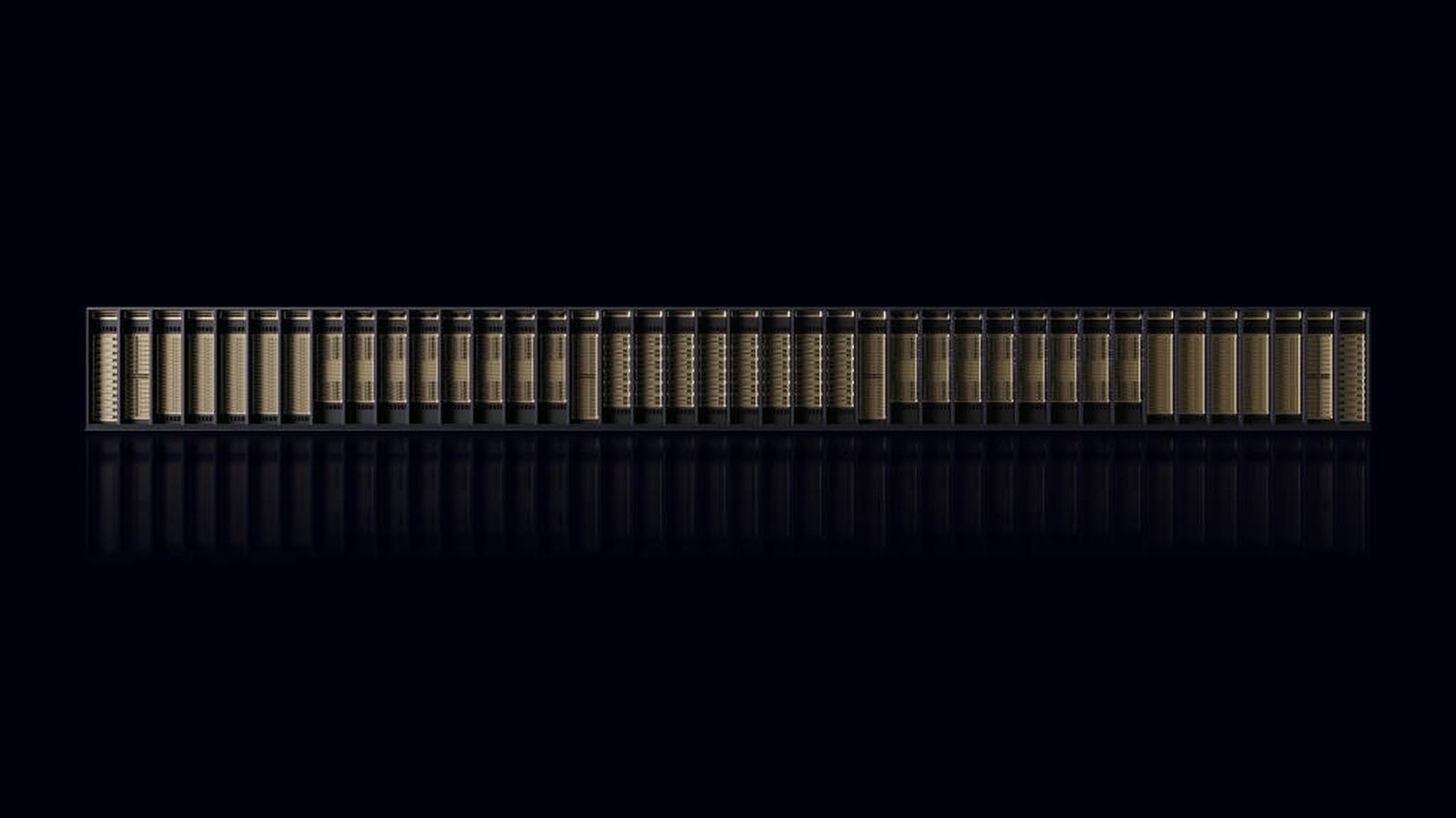
The mechanics of this transition rely on the efficiency of liquid as a heat transfer medium. In traditional data centers, cooling systems often account for up to 40 percent of total electricity consumption according to Engadget. By allowing the coolant to enter the processor at 45 degrees Celsius and exit at approximately 55 degrees Celsius, the system can reject heat using outdoor dry coolers rather than power-hungry chillers. Industry estimates suggest that increasing chiller temperatures by just one degree can reduce cooling energy costs by roughly 4 percent, leading to potential annual savings of approximately $4 million for a 50-megawatt facility.
Beyond energy efficiency, the environmental impact of this architecture is significant regarding water conservation. Conventional cooling-tower systems can consume as much as 2.6 million gallons of water per megawatt annually. NVIDIA’s new closed-loop design, which avoids evaporative cooling and water towers, effectively reduces this consumption to near zero. Furthermore, the removal of high-velocity fans and mechanical chillers results in a quieter operational environment, potentially eliminating the need for ear protection within server facilities.
While this shift marks a departure from the long-held industry assumption that lower temperatures are synonymous with hardware safety, it highlights the evolving requirements of high-performance AI infrastructure. The Rubin generation of hardware is designed to maintain performance within safe operating limits despite the higher ambient coolant temperatures. As data centers continue to scale, the success of this cooling strategy may depend on geographic factors, as the efficiency of dry coolers remains tied to local climate conditions. Ultimately, this transition signals a broader industry trend toward optimizing power usage effectiveness as the demand for AI compute capacity continues to rise.