

Hyundai Faces Labor Unrest Over Humanoid Robot Integration Plans
Unionized workers at Hyundai's Ulsan plant have initiated strikes following failed negotiations regarding the company's planned deployment of 25,000 Atlas humanoid robots. The dispute highlights growing tensions between automotive manufacturers seeking automation efficiencies and labor unions concerned about job security and compensation.
Thousands of unionized workers at Hyundai Motor Group’s Ulsan production complex have initiated a series of strikes following a breakdown in negotiations over the company’s plans to integrate humanoid robotics into its manufacturing operations. The labor action, which includes shortened shifts and planned four-hour work stoppages, marks what The Wall Street Journal reports as the automotive industry’s first factory stoppage specifically addressing the deployment of humanoid technology.
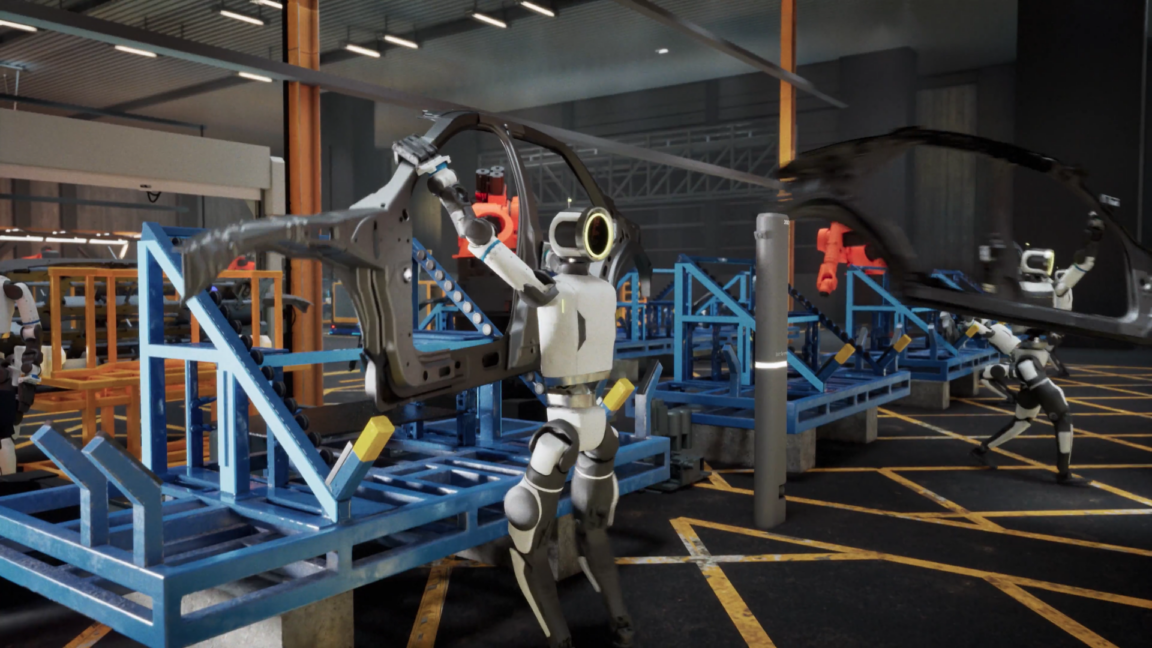
The friction stems from Hyundai’s strategic roadmap to deploy 25,000 Atlas robots, developed by its subsidiary Boston Dynamics, across its global manufacturing footprint. According to The Korea Herald, the rollout is scheduled to commence in US-based facilities by 2028. Financial analysts suggest the move is driven by long-term cost efficiency; Samsung Securities Co. analyst Esther Yim noted that while each unit carries an estimated $130,000 price tag, the robots could achieve a return on investment within two years. Further projections from Macquarie Securities Korea Ltd. analyst James Hong indicate that if unit costs decline to $100,000, operational expenses could fall below the US federal minimum wage, creating a significant cost advantage over traditional human labor.
In response to these developments, the Hyundai Motor union, representing over 39,000 employees, has tabled a series of demands aimed at mitigating the impact of automation. These include a transition to fixed salaries to insulate workers from potential reductions in hours, an increase in the retirement age from 60 to 65, and enhanced bonus structures. The current impasse follows 15 rounds of unsuccessful talks, as reported by The Korea Times.
Hyundai’s initiative is part of a broader industry shift toward humanoid automation. Competitors including Tesla, with its Optimus program, and BMW, which is currently piloting Figure AI robots at its Spartanburg facility, are aggressively pursuing similar technologies. As the automotive sector continues to evolve from traditional industrial robotic arms to more versatile humanoid platforms, the tension between capital investment in automation and labor stability remains a critical variable for investors. Market participants should monitor upcoming labor negotiations and the timeline for the 2028 US deployment as key indicators of how the industry will balance technological adoption with workforce retention.