

The Pentagon Reorganizes Space Development Agency Amidst Shift in Military Satellite Strategy
The Space Development Agency is being integrated into the Space Force as the Pentagon transitions from experimental rapid procurement to a formalized missile defense architecture. This move follows years of technical delays and supply chain challenges in deploying the Proliferated Warfighter Space Architecture.
The Space Development Agency (SDA), established in 2019 to bypass traditional Pentagon bureaucracy and accelerate military space capabilities, is set to be folded back into the broader Space Force procurement pipeline. This transition marks the end of the agency's semi-autonomous status, a move supported by lawmakers in recent drafts of the National Defense Authorization Act, according to Ars Technica.
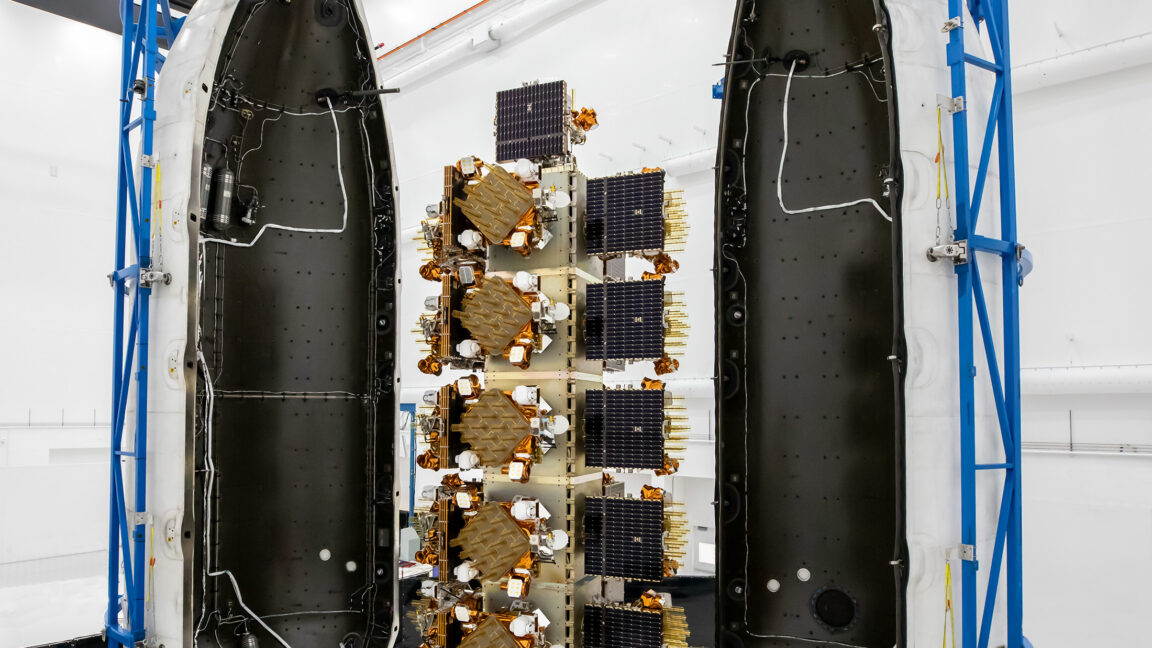
The agency's primary objective has been the development of the Proliferated Warfighter Space Architecture (PWSA), a constellation of hundreds of satellites in low-Earth orbit designed to track ballistic and hypersonic missiles. Unlike legacy systems that rely on expensive, vulnerable satellites in high geosynchronous orbits, the PWSA utilizes a distributed network of smaller, more sensitive sensors. The strategy aimed to field new generations of these satellites every two years, with a target launch cadence of approximately once per month.
However, the program has faced significant hurdles. As noted by Ars Technica, the SDA has struggled with schedule delays, production bottlenecks, and technical issues regarding inter-satellite laser communication links. These links are critical for the transport layer, which relays tracking data from warning satellites to ground stations for military action. While the agency successfully launched its third group of data transport satellites via a SpaceX Falcon 9 rocket, the cumulative effect of these operational challenges has prompted the Pentagon to reorganize its acquisition strategy.
Moving forward, the SDA’s mission will be subsumed into the Pentagon's planned Golden Dome missile shield. While the PWSA capabilities were developed prior to the announcement of the Golden Dome initiative, they are now viewed as a foundational component of this broader defense architecture. The integration into the Space Force is intended to streamline weapons procurement, though it remains to be seen how the transition will affect the pace of satellite deployment.
The shift reflects a broader tension within the defense sector between the desire for rapid, agile innovation and the necessity of stable, long-term procurement management. As the military continues to face daily missile threats, the pressure to finalize a reliable, space-based tracking network remains a top priority for the administration. The success of this transition will ultimately be measured by the ability of the Space Force to maintain the original vision of a proliferated, resilient satellite constellation while overcoming the logistical constraints that hampered the SDA's initial efforts.