

Expanding Mosquito Ranges Prompt Calls for Unified Surveillance
As climate change facilitates the northward migration of disease-carrying mosquito species, public health experts are advocating for a more robust, national approach to monitoring. Current efforts remain fragmented, leaving many regions vulnerable to emerging viral threats.
As summer temperatures rise across historically temperate regions, public health officials are observing a significant shift in the geographic distribution of mosquito populations. The expansion of these insects into areas like New England is increasingly linked to changing climate patterns, which create the warmer and wetter environments necessary for invasive species to thrive. Among the species of concern is the Asian tiger mosquito, a known vector for diseases such as dengue and Zika, which has been documented moving into territories previously considered too cold for its survival according to Ars Technica.
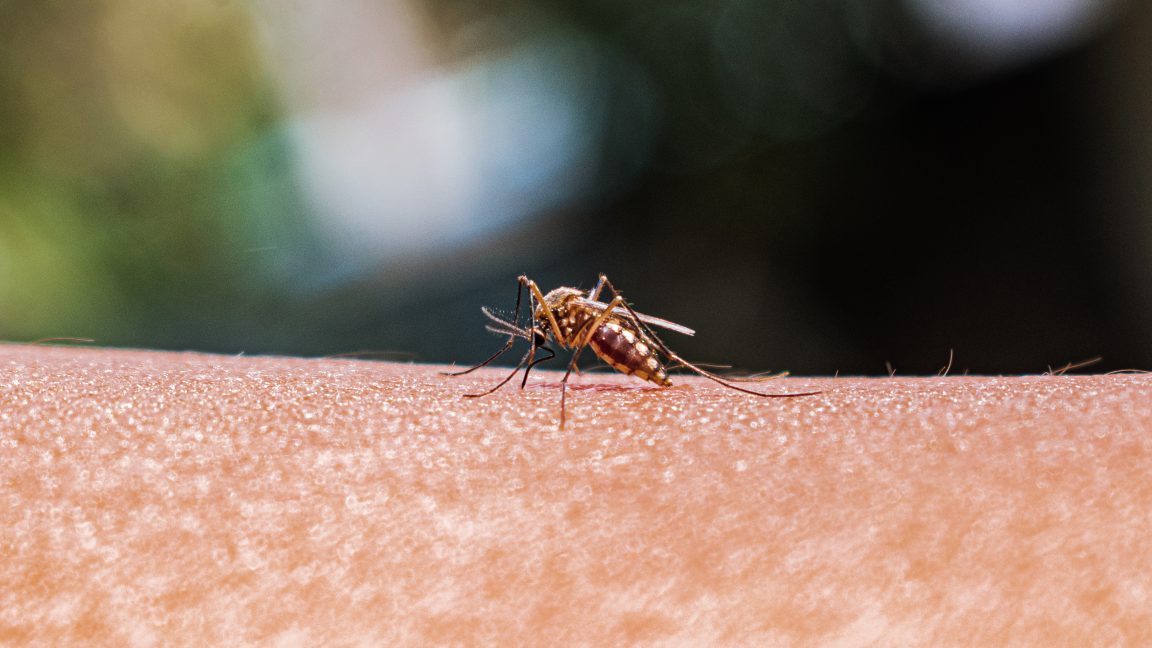
In response to these environmental shifts, states like Connecticut have implemented intensive monitoring programs to track mosquito species and detect viral presence before human transmission occurs. Philip Armstrong, chief scientist at the Connecticut Agricultural Experiment Station, emphasizes that proactive testing is essential, noting that by the time human cases are reported, public health interventions are often less effective as reported by Ars Technica. These programs are currently tasked with identifying risks such as the West Nile virus, which has become a persistent seasonal threat in the Northeast, and the rarer but more lethal Eastern equine encephalitis.
Despite the success of localized monitoring, the national landscape remains a patchwork of over 1,000 independent agencies with varying levels of resources and organizational capacity. Experts argue that this decentralized structure limits the ability to respond to evolving threats on a broader scale. Dan Markowski of the American Mosquito Control Association has suggested that a centralized, national surveillance database would significantly improve the country's ability to share data and coordinate responses according to Ars Technica. However, the implementation of such a system faces significant financial hurdles, as mosquito control remains largely dependent on local funding.
As the climate continues to alter the habitats of disease-carrying vectors, the debate over resource allocation for public health surveillance is expected to intensify. The challenge lies in balancing the immediate costs of labor-intensive monitoring against the long-term public health benefits of preventing outbreaks. Moving forward, the effectiveness of regional disease prevention strategies will likely depend on whether these disparate local efforts can be integrated into a more cohesive national framework.