

Government Reports Decline in Polluted River Stretches Across India
The Union government has informed the Rajya Sabha that the number of polluted river stretches in India has decreased from 351 in 2018 to 296 in 2025. This improvement is attributed to ongoing river conservation efforts and monitoring under the National Water Quality Monitoring Programme.
The Union government recently informed the Rajya Sabha that the count of polluted river stretches across India has seen a notable decline over the past seven years, dropping from 351 in 2018 to 296 by 2025. According to India Today, this data, derived from the latest report by the Central Pollution Control Board (CPCB), indicates a gradual improvement in water quality metrics, with the number first falling to 311 in 2022 before reaching the current figure.
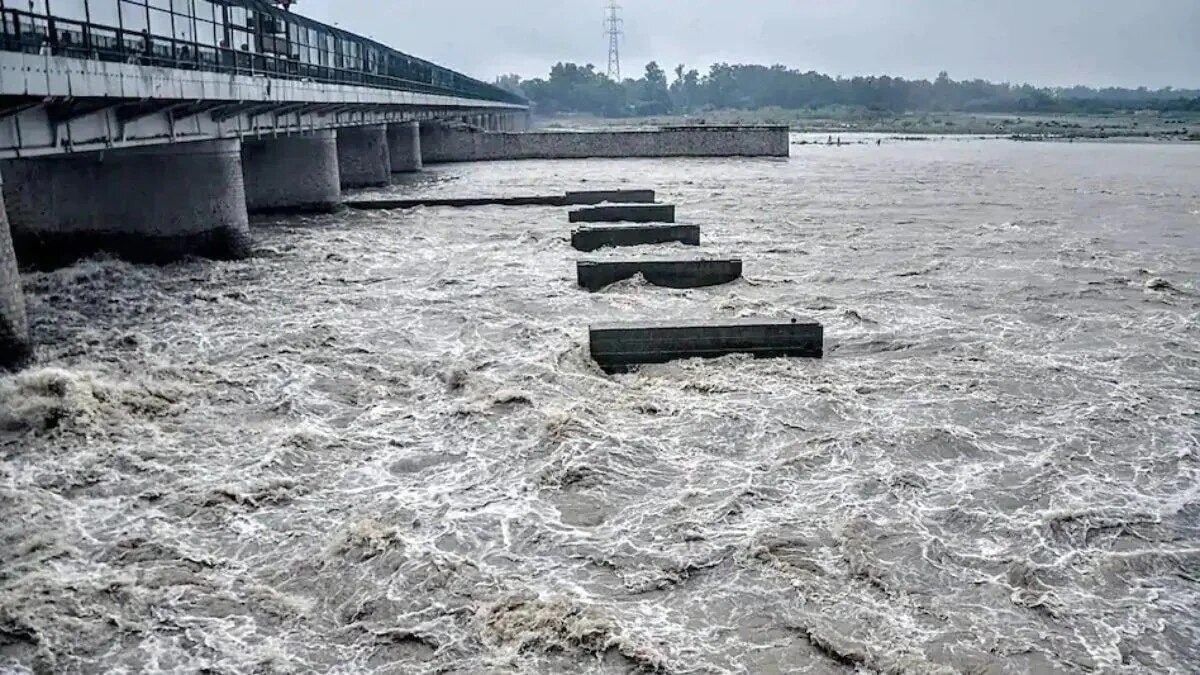
In a written response to the House, Minister of State for Jal Shakti Raj Bhushan Choudhary identified the primary drivers of river pollution as the discharge of untreated or partially treated sewage from urban centers, industrial effluents, and agricultural run-off. Other contributing factors include the dumping of solid waste on riverbanks and geogenic effects. To address these challenges, the government has utilized a network of 2,265 monitoring stations under the National Water Quality Monitoring Programme to assess water health through parameters such as biochemical oxygen demand (BOD), dissolved oxygen, pH levels, and faecal coliform.
Financial allocations have played a significant role in these abatement efforts. The government reported an expenditure of Rs 11,332 crore under the Namami Gange programme, supplemented by Rs 1,888 crore allocated through the National River Conservation Plan. These funds are managed in coordination with state-level pollution control boards and committees, which operate laboratories recognized by the National Accreditation Board for Testing and Calibration Laboratories or the Environment (Protection) Act.
While the government maintains that the decline in polluted stretches reflects the efficacy of current interventions, the monitoring framework continues to evolve. Notably, the Minister clarified that while specific standards for heavy metals in rivers have not been prescribed, the existing assessment parameters remain the standard for gauging organic pollution. As the CPCB continues its oversight through its central laboratory in Delhi and eight regional facilities, the national focus remains on scaling these conservation efforts to ensure long-term ecological restoration of India's river systems.