

NTA disputes NEET-UG OMR sheet tampering allegations
The National Testing Agency has formally rejected claims of irregularities regarding NEET-UG OMR sheets, asserting that the evidence presented by certain candidates is based on digital forgeries. The agency has identified five specific candidates whose claims of score discrepancies are being contested.
The National Testing Agency (NTA) has issued a formal rebuttal regarding ongoing allegations of irregularities in the NEET-UG examination process. In a recent statement, the testing body addressed claims concerning the manipulation of Optical Mark Recognition (OMR) sheets, categorically denying that any such tampering occurred within its secure processing systems. According to The Times of India, the agency maintains that the integrity of the examination data remains intact despite public scrutiny.

The controversy centers on five specific candidates who had alleged that their OMR sheets were altered, leading to discrepancies between their self-calculated scores and the official results released by the NTA. In response, the agency has identified these individuals and asserted that the evidence provided to support these claims is the result of digital forgeries rather than genuine administrative errors. As reported by The Times of India, the NTA suggests that the digital files circulated as proof of tampering do not align with the original, authenticated records stored in their secure database.
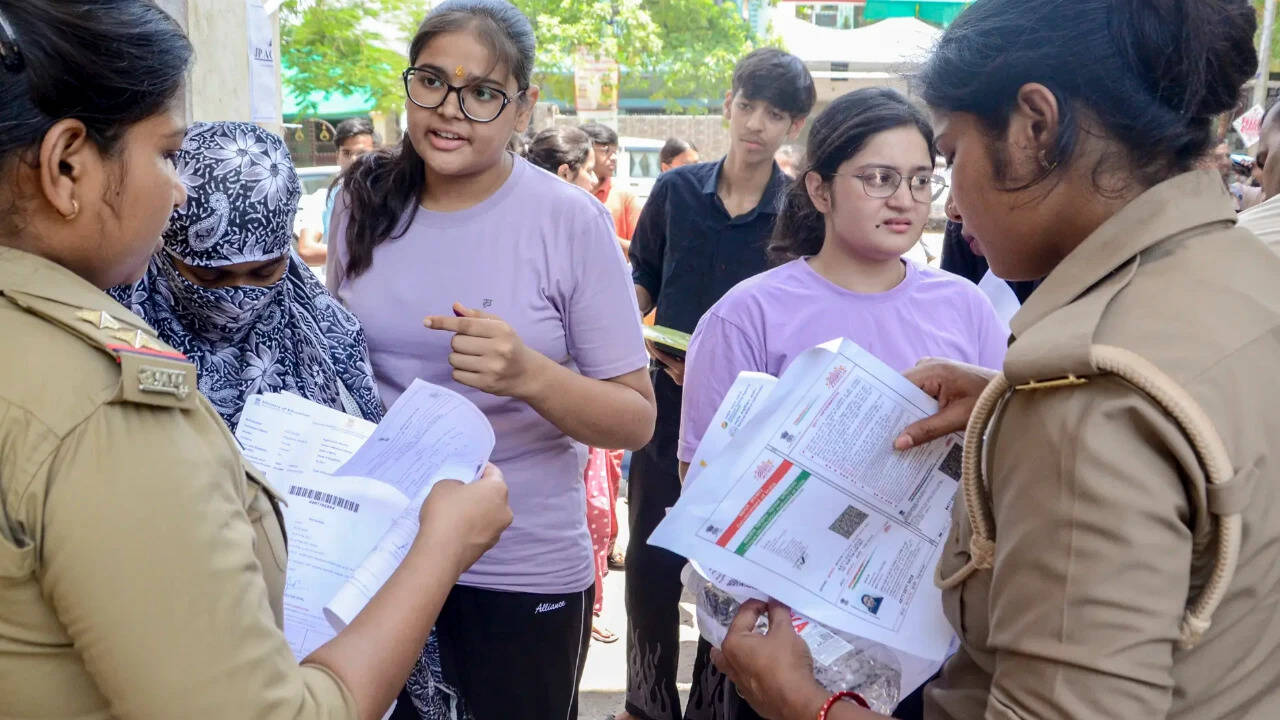
This development highlights the growing tension between the NTA and students seeking greater transparency in the high-stakes medical entrance examination. The NEET-UG, which serves as the primary gateway for undergraduate medical education across India, has faced increased oversight following various reports of technical and procedural concerns. By publicly identifying the candidates and labeling the evidence as forged, the NTA is attempting to stabilize confidence in its automated evaluation systems.
The national impact of this dispute is significant, as it touches upon the broader discourse regarding the reliability of digital testing infrastructure in India. As the NTA continues to defend its processes, the incident underscores the necessity for robust verification mechanisms to ensure that the aspirations of millions of students are protected against both genuine administrative failures and potential misinformation campaigns.