

Industrial Unrest in Delhi-NCR: Wage Stagnation Amid Rising Inflation
Factory workers in Noida and Manesar have launched protests demanding wage hikes as inflation outpaces the revision of minimum wage standards. The agitation highlights a growing disparity between the rising cost of living and the delayed adjustment of base wages across North Indian industrial hubs.
The industrial landscape of the Delhi-NCR region has witnessed significant unrest as thousands of factory workers in Noida took to the streets to demand improved working conditions, overtime compensation, and a revision of minimum wage structures. These protests, which escalated into violence on Monday, follow a series of similar agitations that began in early April, notably in the industrial hub of Manesar, Haryana. According to The Indian Express, the immediate catalyst for the unrest was a 35 percent minimum wage hike implemented in Haryana on April 9, which prompted workers in Uttar Pradesh to seek parity.
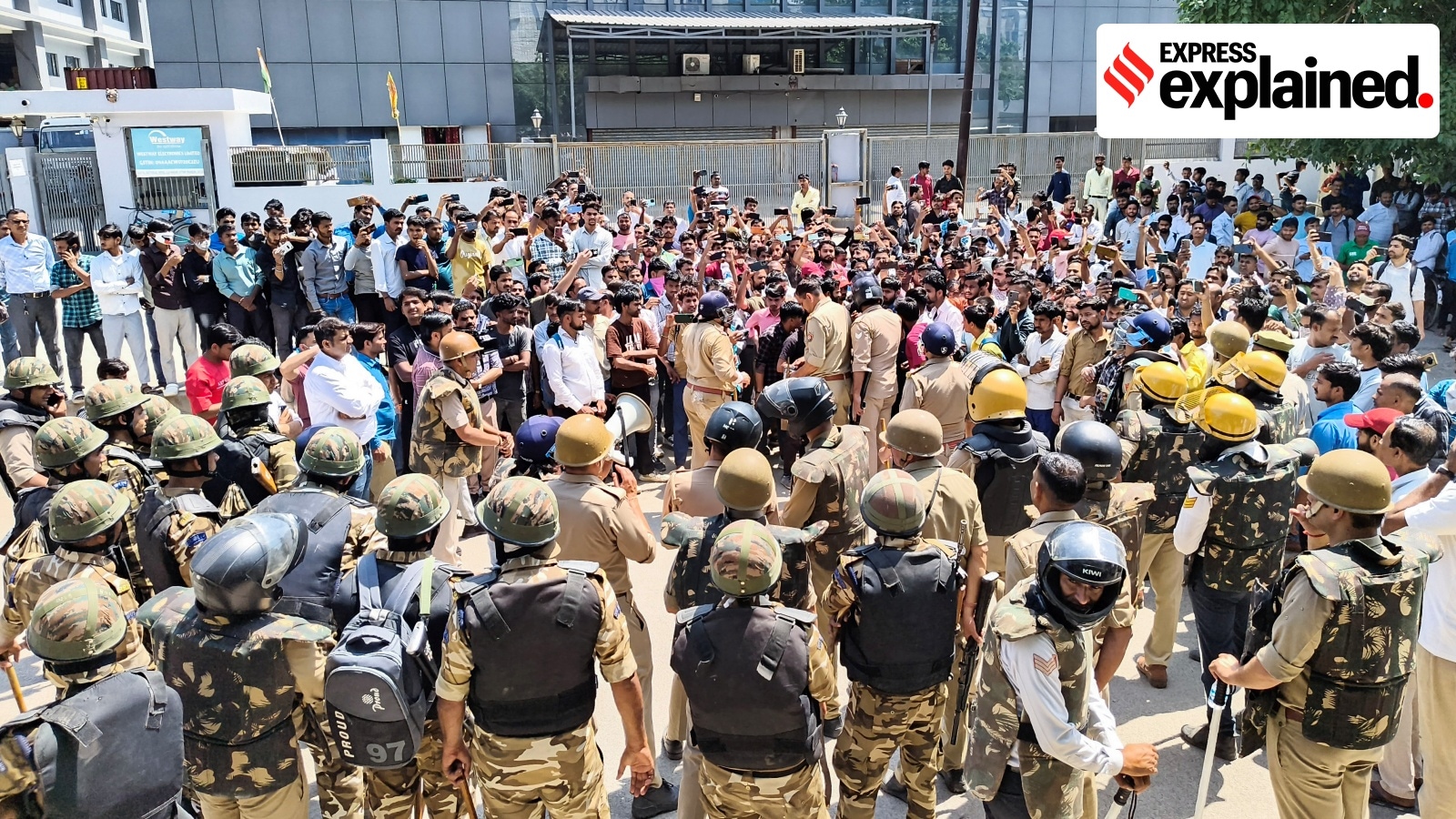
At the heart of the conflict is the systemic delay in revising the base minimum wage, a component statutorily required to be updated every five years. In Uttar Pradesh, the base wage had remained stagnant since 2012, while Haryana had not conducted a revision in a decade. This lack of adjustment has left workers vulnerable to the sharp rise in living expenses, exacerbated by global economic pressures, including the closure of the Strait of Hormuz and subsequent input cost spikes for industrial units. While states are also mandated to adjust the variable component of the minimum wage twice a year based on the Consumer Price Index for Industrial Workers (CPI-IW), these measures have failed to bridge the widening gap between earnings and the cost of living.
Data indicates that between February 2021 and February 2026, the all-India inflation rate for industrial workers rose by 24.8 percent. In the Delhi-NCR region, inflation rates were even higher, with Noida and Ghaziabad recording a 27.4 percent increase. During this same period, minimum wage growth in these regions significantly lagged behind these inflationary trends. For instance, while Haryana eventually raised the monthly minimum wage for unskilled workers from Rs 11,274.60 to Rs 15,220.71, and Uttar Pradesh introduced an interim hike to Rs 13,690 for the Noida and Ghaziabad regions, labor representatives argue that these adjustments are insufficient to offset the cumulative loss in purchasing power.
The situation reflects a broader challenge for the manufacturing sector, where industrial units are struggling with their own financial constraints. The resulting uncertainty has led to reports of delayed wage payments and job insecurity, further fueling the discontent among the workforce. As the state governments attempt to manage these interim adjustments, the protests underscore the urgent need for a more responsive mechanism to align labor compensation with the realities of the national economy.