

India Prioritizes Chenab Hydropower Development Amid Indus Waters Treaty Stagnation
India is accelerating the development of major hydropower projects on the Chenab River while signaling that the 1960 Indus Waters Treaty requires fundamental renegotiation. The government maintains that the pact's viability is contingent upon a cessation of cross-border terrorism from Pakistan.
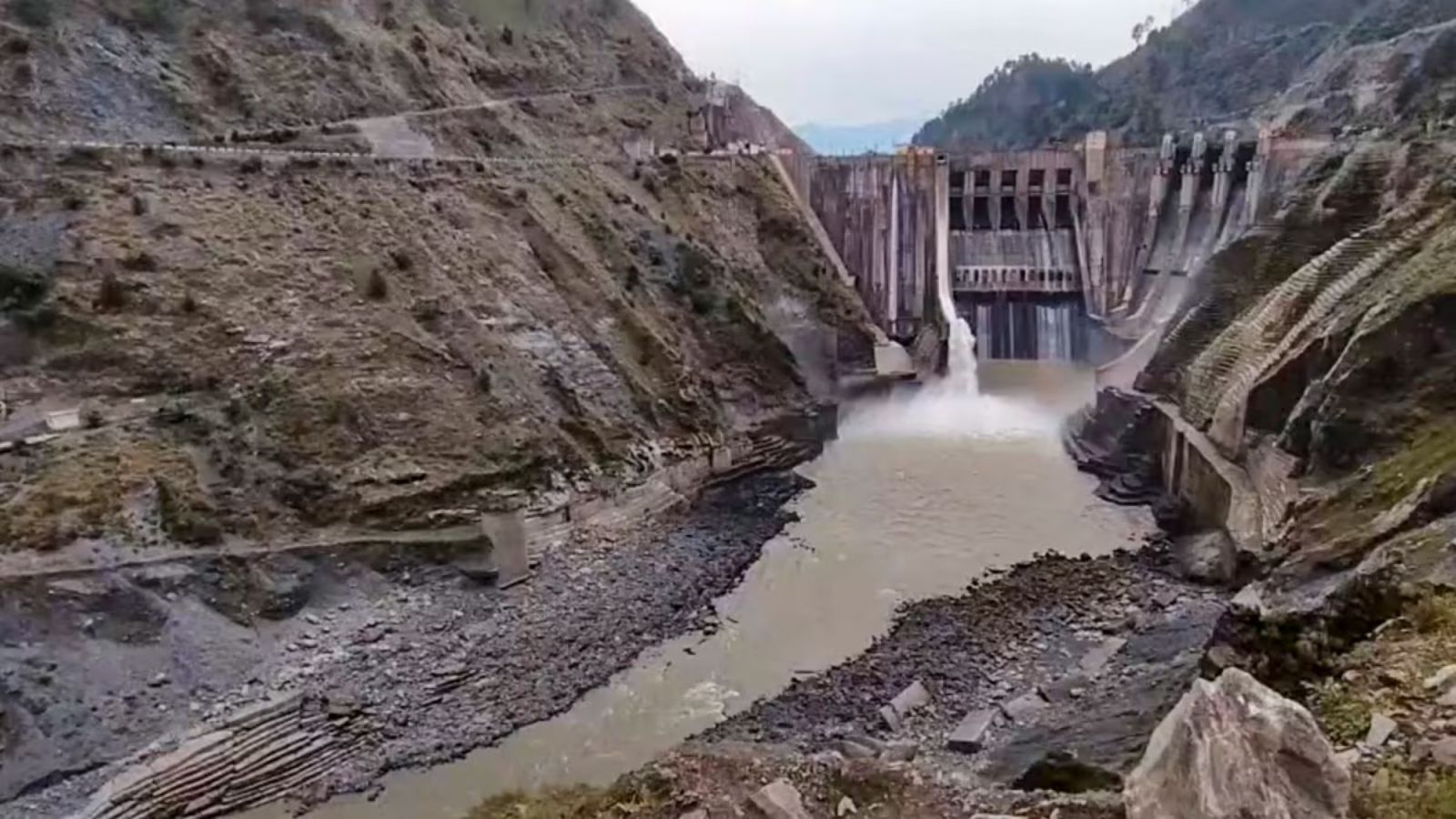
One year after India formally placed the Indus Waters Treaty (IWT) in abeyance following the Pahalgam terror attack, the central government has intensified its focus on the rapid development of hydropower infrastructure along the Chenab River. According to The Indian Express, New Delhi is prioritizing the completion of five major projects, including the 1,856 MW Sawalkote and 850 MW Ratle hydroelectric plants, which collectively aim to add over 5,000 megawatts to the national grid.
Government officials have indicated that the six-decade-old treaty, which governs the sharing of the Indus basin waters, has reached a point where its current framework is no longer functional. The official stance suggests that the treaty was predicated on a spirit of mutual trust and peaceful coexistence, elements that India argues have been undermined by persistent cross-border hostility. Consequently, the government has stated that any future reactivation of the treaty’s provisions would necessitate a renegotiation to ensure a more balanced and modern approach to basin management.
For India, these hydropower projects are framed as essential components of its broader clean energy transition and regional development goals. By accelerating the construction of the Pakal Dul, Kiru, and Kwar projects—with the former two expected to be operational by the end of this year—India aims to utilize its legitimate rights under the Indus basin more efficiently. Officials emphasize that these initiatives are designed to bolster water security and grid stability, aligning with long-term national developmental objectives.
While India maintained the treaty’s implementation through various periods of bilateral tension and military conflict over the past sixty years, the current diplomatic position is that such agreements cannot remain insulated from ongoing security concerns. The government maintains that a permanent halt to support for terrorism directed against India remains a fundamental prerequisite for any cooperative framework regarding the river waters. As India moves forward with its infrastructure projects, the future of the Indus Waters Treaty remains tied to the broader, complex geopolitical landscape between the two nations, with New Delhi signaling a shift toward a more assertive utilization of its water resources.