

Tensions Escalate as Iran Targets U.S. Military Installation in Kuwait
The Iranian military has launched a missile strike against Camp Arifjan in Kuwait, marking a significant escalation in regional hostilities. Iranian leadership has characterized the current situation as a full-scale war.
The regional security landscape in the Middle East shifted dramatically on Tuesday as the Iranian military confirmed it had launched a series of surface-to-surface missiles at Camp Arifjan, a major U.S. military installation located south of Kuwait City. The strike, which targeted the base's HIMARS missile systems, represents a direct escalation in the ongoing friction between Tehran and Washington. According to state news agency IRNA, the Iranian army justified the action as a tactical move to neutralize defensive and offensive capabilities that they claim have been used in aggressive operations against their interests.
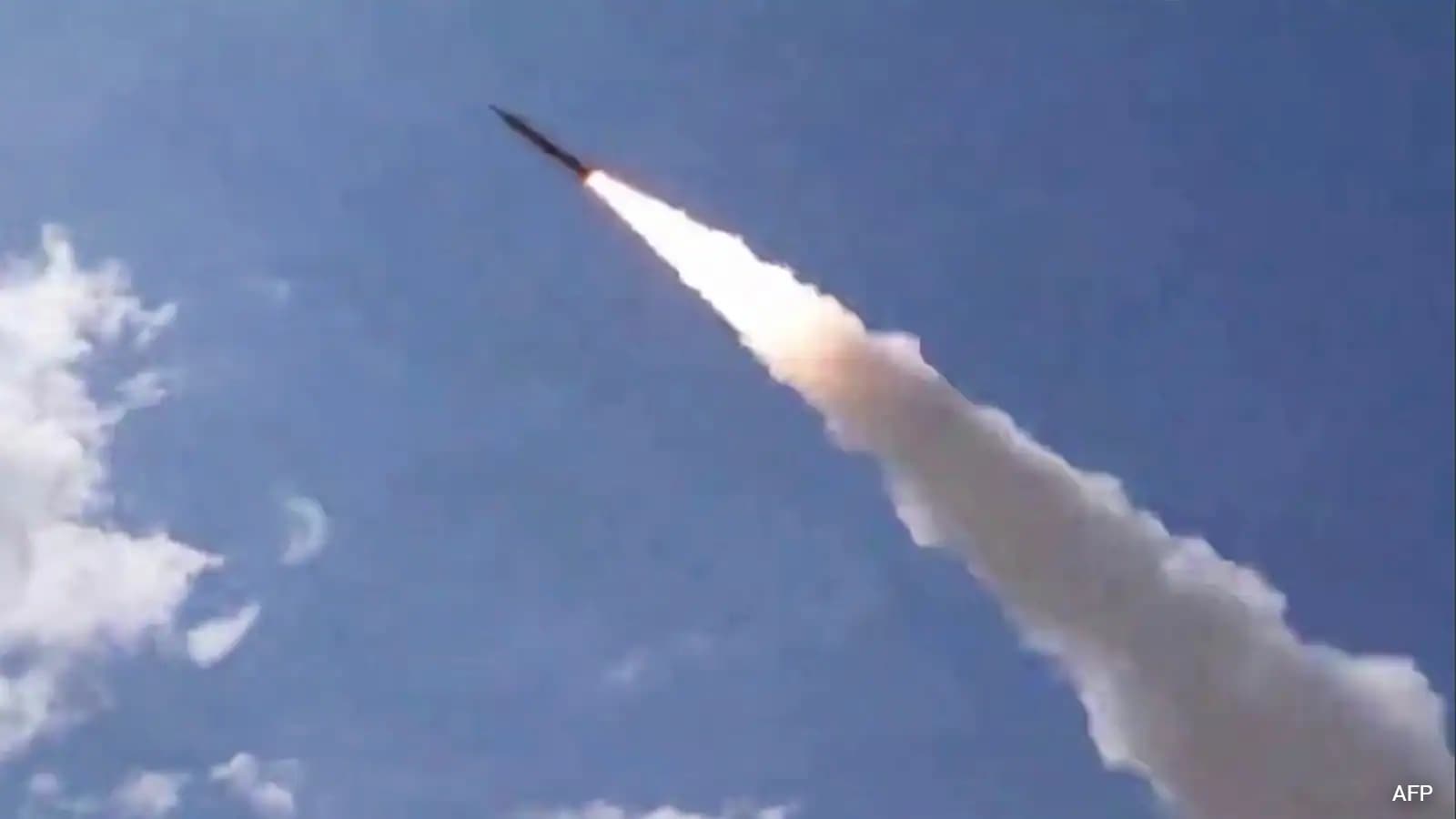
Camp Arifjan serves as a critical logistics and operational hub, housing personnel and equipment from the U.S. Air Force, Navy, Marine Corps, and Coast Guard. The facility has long been a cornerstone of the American military presence in the Gulf, providing a strategic footprint that allows for rapid deployment and regional stability operations. By targeting this specific site, the Iranian military appears to be signaling a shift from proxy-based confrontations to direct engagement with U.S. assets stationed in neighboring sovereign territories.
In the wake of the attack, Iranian President Masoud Pezeshkian issued a formal statement characterizing the current state of affairs as a full-scale war. This declaration marks a departure from previous diplomatic posturing and suggests that the Iranian government is prepared to sustain a broader military campaign. While the immediate tactical impact of the strike on the base's infrastructure remains under assessment, the geopolitical implications are profound. The involvement of Kuwait, a key U.S. ally, complicates the diplomatic efforts to contain the violence, as regional powers now face the prospect of being drawn into a direct conflict between two major military forces.
As the international community monitors the situation, the primary concern remains the potential for further retaliatory measures. The strike on Camp Arifjan has effectively dismantled the previous status quo, leaving both Washington and Tehran in a position where further escalation could lead to a wider regional conflagration. Observers are now looking to see how the United States will respond to the breach of its defensive perimeter and whether diplomatic channels can be reopened before the conflict intensifies further.