

It’s a partnership between the army and the settlers
Palestinian residents of Deir Jarir report that a recent deadly raid involving both Israeli settlers and military forces has intensified concerns over a coordinated pattern of violence. The incident, which resulted in two deaths, highlights the escalating tensions and land disputes occurring in the West Bank.
The recent events in the West Bank village of Deir Jarir serve as a grim reminder that the line between state security and vigilante aggression has all but vanished. On a Sunday night, what began as a claim of stolen livestock spiraled into a lethal confrontation, leaving two Palestinian men dead and the community reeling. According to residents, the raid was not merely an act of rogue settlers, but a coordinated effort involving Israeli soldiers and police who provided cover while livestock was seized from local homes According to The Guardian.
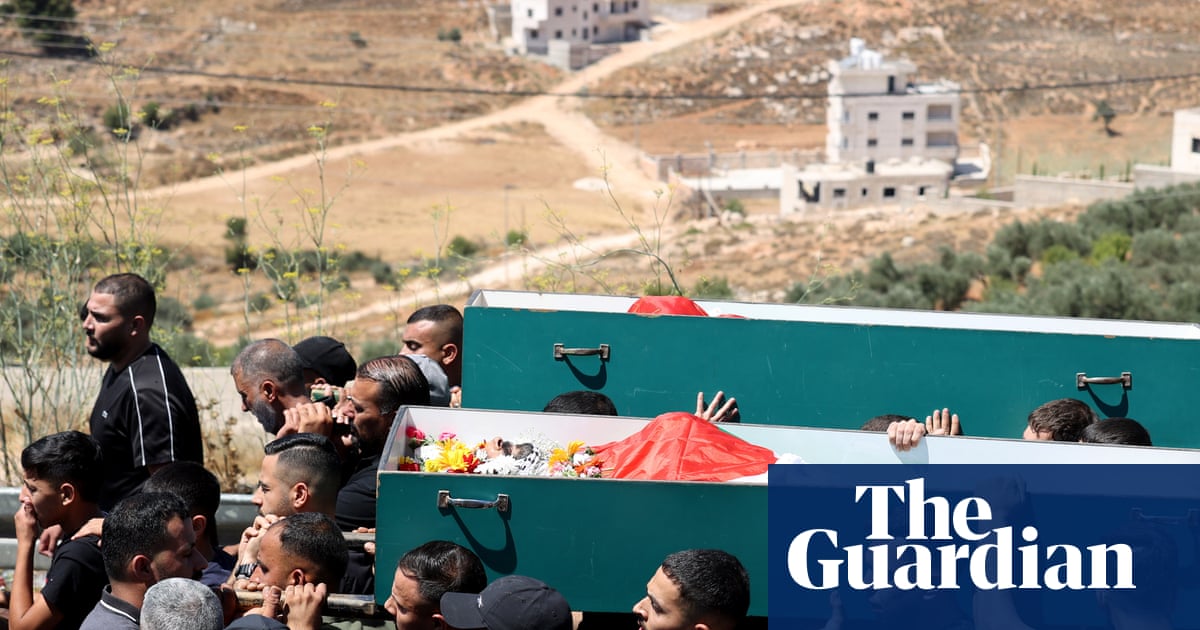
For the families of the deceased, the narrative is clear: they are witnessing a systematic partnership between the military and settler outposts. Adel Rashid, whose 26-year-old son was among those killed, described a harrowing scene where soldiers stood by as sheep were taken from his property. This is not an isolated anomaly but part of a broader, accelerating trend of land acquisition and intimidation that has plagued the region since the October 7 attacks. With seven deaths in Deir Jarir alone over the past year, the village has become a focal point for the consequences of a government policy that increasingly empowers far-right factions to operate with impunity.
While some might argue that these actions are necessary security measures in a volatile region, such a defense crumbles under the weight of the evidence. When the state’s armed forces act as an escort for private individuals to seize property, the distinction between law enforcement and land theft disappears. The infrastructure of the occupation—from arbitrary checkpoints to the shared resources between military bases and new outposts—suggests a deliberate strategy rather than a series of unfortunate accidents.
Ultimately, the tragedy in Deir Jarir is a symptom of a political climate that has abandoned the pretense of restraint. As long as the state continues to facilitate these incursions, the cycle of violence will only deepen, leaving little room for anything resembling justice or stability. The portraits of the fallen on the village walls are not just memorials; they are a damning indictment of a policy that has traded peace for the expansion of territory at any cost.