

São Tomé and Príncipe Heads to Polls Amid Political Uncertainty
Voters in the island nation of São Tomé and Príncipe are casting ballots in a presidential election marked by a constitutional crisis and shifting political alliances. Incumbent President Carlos Vila Nova seeks a second term as an independent candidate while facing a field of four challengers.
Voters in São Tomé and Príncipe are heading to the polls this Sunday in a presidential election that serves as a critical test for the island nation’s democratic stability. With approximately 142,000 registered voters, the country is looking to maintain its long-standing reputation for peaceful transitions of power, even as the current political climate remains strained by internal government friction according to The Guardian.
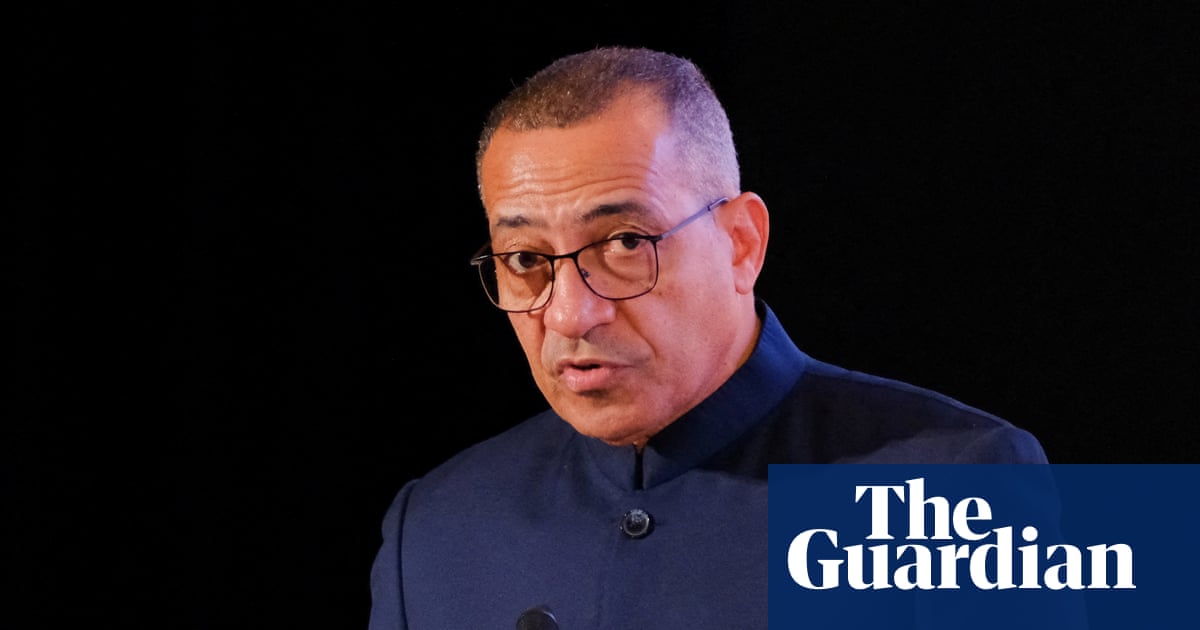
The election follows a period of significant political volatility that began in early 2025, when President Carlos Vila Nova dismissed Prime Minister Patrice Trovoada. This move triggered a series of leadership changes, including the brief tenure of Ilza Amado Vaz, who resigned after only three days in office. Vila Nova, who was elected in 2021 as a member of the Acção Democrática Independente (ADI) party, is now running as an independent. His former party has fielded Nito D’Abreu as its candidate, while the Movement for the Liberation of São Tomé and Príncipe has formed a coalition to support the incumbent president.
The campaign has been further complicated by legal challenges regarding candidate eligibility. The constitutional court disqualified businessman Domingos Monteiro, citing his parents' lack of naturalized citizenship, a decision Monteiro has publicly criticized as discriminatory. Meanwhile, the electorate is focused on pressing domestic issues, including high inflation, chronic fuel shortages, and persistent power outages. During a recent presidential debate, Nito D’Abreu characterized government corruption as a primary obstacle to the nation's progress, a sentiment echoed by many voters seeking economic reform.
As a strategic partner in the Gulf of Guinea, the stability of São Tomé and Príncipe remains a point of interest for international observers concerned with maritime security and regional trade. Should no candidate secure more than 50% of the vote on Sunday, the election will proceed to a second round. The outcome will likely determine the direction of the country's governance and its ability to address the systemic economic challenges that have dominated the current political discourse.